LAD/Blog #16: Lincoln's Gettysburg Address

Lincoln begins by saying that 87 years ago, this country was founded on the principles of democracy, and that foundation needs to remain. He then speaks on current events, specifically the civil war that he felt would test whether our country can stand or not. He felt that the world will not remember what was said in Gettysburg, but it will remember what happened there, in the monumental continuation of democracy as a precedent for history. At that point the living had to take up the work of those who died in this battle, so the devoted will not have died in vain and democracy could live on. He felt our country would have a new birth of freedom for the government of the people, by the people and for the people and that it would not perish from the earth after this great perseverance. Lincoln saw the battle of Gettysburg as a turning point crucial to the survival of democracy, and he was overjoyed at its apparent survival. 

Continuation of Democracy:
Image result for lincoln's gettysburg address

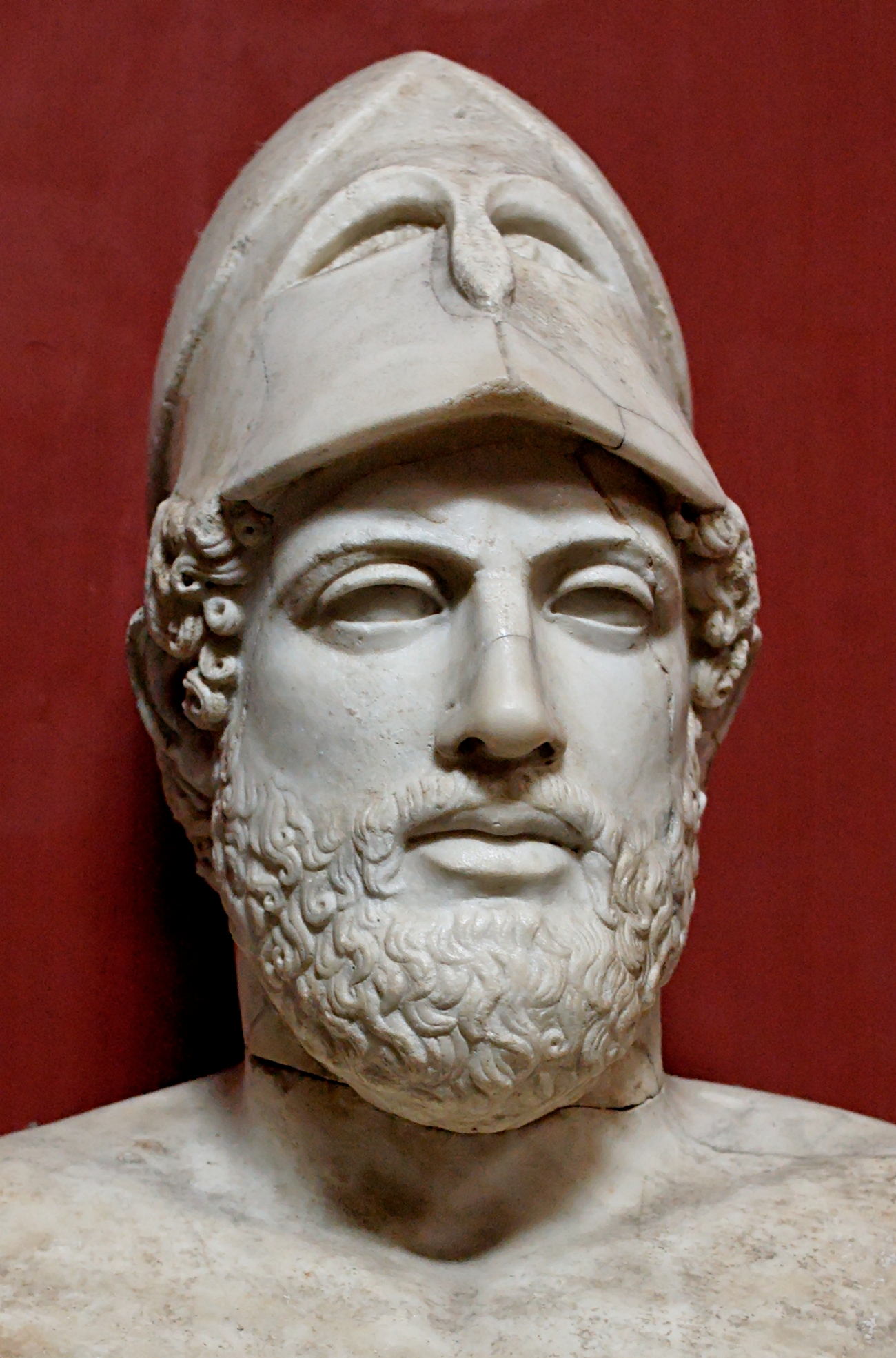
Origin of Democracy (Pericles):
Image result for pericles

Comments

Popular posts from this blog

LAD/Blog #35: Home was a Horse Stall

Executive order 9066 was essentially a racist program that excluded Japanese Americans from everyday life in America due to the actions of their former nation. They were banned from the west coast and forced into internment camps where they essentially lived under oppressive, racist marshal law. This was especially painful for first generation immigrants as they had a personal connection with both nations. Many of them did not want to see their two home nations fighting, and held some allegiance to both, but most were more prone to defending the United States.This was also hard on Japanese children, as they were ripped away from their friends, lives, and schools and taken to internment camps. One example of this is Sox, and her difficult upbringing during this time. She is taken away from her home and placed in a new one. That home is a horse stall. This stall was in a small, crowded internment camp which Sox was forced to grow up in. Her experience illustrates how poorly the Japanese ...

LAD/Blog #28: Keating-Owen Child Labor Act

The primary purpose of The Keating-Own Child Labor Act of 1916 , "To prevent interstate commerce in the products of child labor, and for other purposes." This act disallows the conduction of distribution, or commerce of products that were manufactured using child labor.   The qualification for child labor is that thirty days prior to the commerce of the product, a child under the age of 16 worked for long hours. Additionally, the Attorney General, the Secretary of Commerce, and the Secretary of Labor will form a committee that will create regulations to enforce and strengthen the act. Furthermore, officials will be continuously monitoring offices, mills, and factories to help oversee a proper workplace. Also, the state and attorney general to present all available evidence when quarries or mills or any such industry is being inspected. If child labor is discovered, there will be fines, jail sentences, and procedures for conviction. Another main point of emphasis is properly ...

LAD/Blog #25: The Dawes Act

The Dawes Act greatly improved the land distribution among Indians in the US. Prior to 1887 Indian Reservations were held in a trust set up by the US government, and the Indians were allowed to live there, but not to own the land. However, with the Dawes Act this land was given to individual tribesmen based on age, gender, and status. While it was better than the situation before, this act was not without its faults. It still preserved the US government's right to build infrastructure on these lands that were not their's. It excluded the 5 civilized tribes, the Cherokee, Chickasaw, Choctaw, Creek, and Seminole. Also, it encourage the Indians to sell their land to American settlers. Despite this it was still a step up because now the Indians owned the land. They were also given a path to citizenship with this act, where 25 years after owning land, they would be able to reap the benefits to citizenship such as education and legal protection. With that said, many Indians did not l...